
Culture Is Operations.
Turn stated values into observable behaviors - and build the systems that help people practice, coach, reinforce, and sustain them.
Most organizations can name what they value. The harder question is whether employees and leaders know what those values require in everyday decisions, conversations, relationships, and performance – and whether the surrounding organization reinforces those behaviors consistently.
Values
Behaviors
Expectations
Reinforcement
Culture
If it matters enough to train, where is it reinforced?
Two recurring situations reveal the gap between naming what matters and building a system that supports it.
The skill was being trained - but not reinforced.
Organizations often request feedback training because conversations are delayed, vague, or inconsistent. But sometimes the deeper problem is not the absence of a feedback model. The organization has not defined the behavior it expects, where leaders should reinforce it, or what happens after the workshop.
Learning can introduce a tool. It cannot, by itself, decide which behavior the organization expects or make that behavior part of everyday leadership.
The deliverables were clear - but the behavioral expectations were not.
A capable leader can enter a new role knowing exactly what she is expected to deliver while remaining unclear about how she is expected to lead: how to communicate, make decisions, address tension, coach others, and represent the culture under pressure.
Role clarity is incomplete when people understand the result but not the leadership behavior the organization expects along the way.
That is the gap between values as aspiration and culture as an operating system.
Start With One Behavior. Build Toward a System.
A value becomes more useful when people can recognize what it requires in everyday work. The Culture Operations Canvas offers a practical way to begin with one priority and make the expected behavior more concrete.
Consistency comes from what happens next: aligning expectations across roles, translating them into real work, reinforcing them through leaders and teams, and connecting them to the systems employees experience every day.
The Canvas Starts the Conversation.
Make one value or recurring behavior problem specific enough to recognize, discuss, coach, and observe.
The System Makes the Behavior Stick.
Align expectations across roles and real work, then reinforce them through leaders, routines, and the people systems employees experience.
The canvas starts the conversation. The system makes the behavior stick.
Culture Breaks Where the System Is Silent.
People fill in ambiguity with local habits, manager preferences, and the signals they see rewarded.
Values without behavioral clarity
Words such as trust, excellence, ownership, and collaboration can carry different meanings across teams. People need visible examples of what those values require in real work.
Learning without reinforcement
A workshop can build skill and confidence. Without aligned one-on-ones, coaching, feedback, and leadership routines, the old operating habits often remain easier to follow.
Expectations without system integration
If hiring, onboarding, recognition, performance, and advancement reward a different message, employees learn which standard actually matters.
People adapt to what the organization reinforces in action.
Six decisions move culture from aspiration to application.
The ALIGNS™ Culture Enablement System is the connected process behind Culture Operations. It brings behavioral clarity, role-level expectations, capability development, people-system integration, and sustainment into one operating approach.
Organizations do not always begin with Articulate. Many enter through Grow because a training, coaching, communication, feedback, or leadership-development need is already visible. An organization can receive value from the right starting point without purchasing or implementing every component first.
Articulate
Define the values, principles, and success behaviors the organization intends to reinforce.
Localize
Translate them across levels, roles, functions, and operating realities.
Inspect
Create feedback loops and evidence that show whether the behaviors are appearing.
Grow
Develop leaders and employees through training, coaching, reflection, feedback, and practice.
Normalize
Connect the expectations to everyday people and operating systems.
Sustain
Maintain leadership ownership, accountability, coaching, review rhythms, and continued application.
Six connected decisions. One operating language.
Make One Priority Concrete.
Choose one value, principle, learning priority, or recurring behavior problem. Use the six questions to create a first draft that leaders, HR, and employees can recognize and discuss.
1. Value or principle
What do we say matters?
2. Observable success behavior
What would someone actually see or hear?
3. Role or level expectation
How does it change across individual contributors, managers, and senior leaders?
4. Reinforcement point
Where should it show up in one-on-ones, meetings, onboarding, hiring, or performance?
5. Coaching or feedback prompt
What question helps people practice it in real conversations?
6. Leading indicator
What evidence shows the behavior is becoming normal?
The Canvas Is a Starting Exercise - Not the Complete ALIGNS Engagement.
Use the Canvas to clarify one behavior. Use the broader system when the organization needs alignment across levels, functions, leadership practice, people systems, ownership, and review.
Training and coaching build the capability. The operating system determines whether it becomes normal behavior.
Organizations frequently experience a culture-system problem first as a capability problem: feedback challenges, manager inconsistency, avoided conversations, weak accountability, coaching gaps, conflict, psychological safety concerns, leadership inconsistency, or change fatigue.
Training and coaching can be the most practical place to begin because they help people practice new behavior in the moments that already matter. The work becomes more durable when the desired behavior is also clear, reinforced, and connected to the operating environment.
Feedback training for managers
Coaching skills for leaders
Conflict and difficult conversations
Psychological safety
Emotional intelligence and resilience
Executive and team coaching
Where Should Your Organization Start?
Choose the starting point that matches the clearest organizational need you can see today. The paths can connect over time without becoming one oversized initiative.
Leadership Training and Coaching
Best when the pain is visible through:
- Manager inconsistency
- Avoided conversations
- Weak accountability
- Feedback challenges
- Coaching gaps
- Conflict
- Psychological safety concerns
- Change fatigue
Training and coaching build the capability. The surrounding operating system determines whether that capability becomes normal behavior.
Behavior and Culture Architecture
Best when:
- Values are known but remain abstract
- Employees interpret expectations differently
- Leadership standards are unclear
- Expectations are not differentiated by role, level, or function
- Growth has created inconsistent micro-cultures
People-System Integration
Best when:
- Training has already happened
- The intended behavior is not sticking
- Hiring, onboarding, feedback, performance, recognition, or advancement reinforce inconsistent signals
- Managers need practical conversation and application tools
- Leadership ownership and review rhythms are unclear
Not Sure Where the Gap Begins?
A Culture Operations Conversation helps clarify whether the immediate need is skill development, clearer behavioral expectations, system integration, or a connected culture-enablement pathway.
What Operationalized Culture Makes Possible.
When the operating language is clear and connected, the organization has a stronger foundation for consistent leadership and employee experience.
Values translated into visible behavior
Clearer expectations across levels
More consistent employee and leadership experiences
Training connected to operating expectations
Better feedback, coaching, and accountability conversations
Practical tools for hiring, onboarding, development, and performance
Stronger cross-functional alignment
A repeatable sustainment path
You do not have to redesign the entire culture at once.
Choose a scope small enough to observe and specific enough to produce useful evidence.
One priority
One observable behavior
One population
One reinforcement point
One accountable owner
One source of evidence
One review rhythm
Start small enough to learn. Design clearly enough to matter.
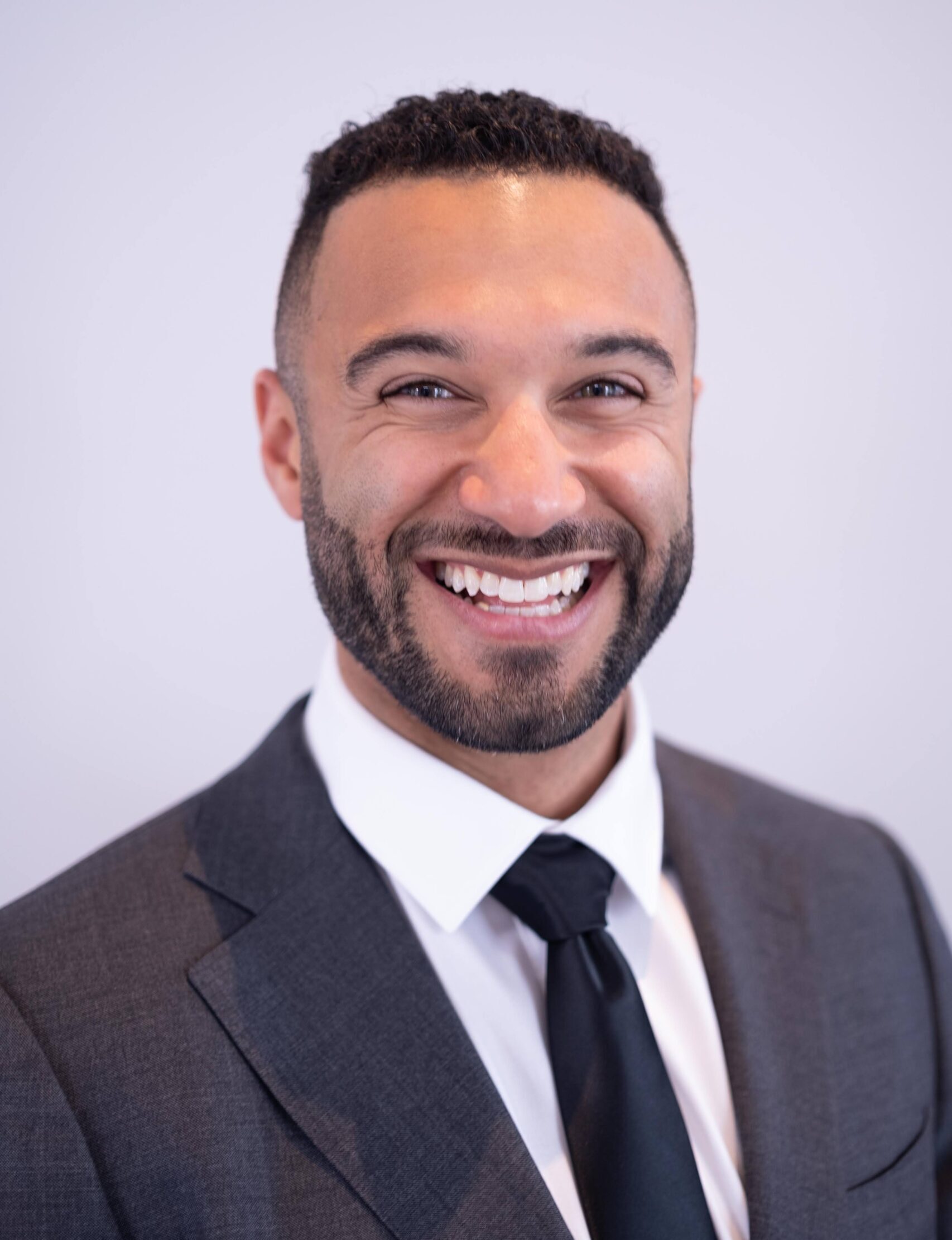
Leadership development needs a system in which to survive.
I created ALIGNS™ after repeatedly seeing capable organizations invest in leadership development without giving the desired behaviors a system in which to survive.
A feedback workshop can build skill. Coaching can support application. But if the organization has not defined what good looks like, clarified how responsibility changes, or reinforced the behavior through daily systems, the learning has to compete with the culture people return to.
The goal of Culture Operations is not to replace training, coaching, values, or performance systems. It is to connect them – so people experience one clearer operating language for how work gets done.
John Marshall, MS, PCC, NBC-HWC
Founder, Executive Coach & Lead Facilitator, Humessence
What Behavior Does Your Organization Need to Make More Consistent?
Whether the starting point is leadership training, executive coaching, culture architecture, or people-system integration, Humessence helps organizations move from good intentions to practical, reinforced behavior.
Quick links